
Industrial News
-
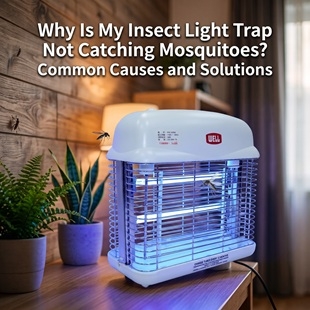
Why Is My Insect Light Trap Not Catching Mosquitoes? Common Causes and Solutions
Why are mosquitoes still present when an insect light trap is running? Learn how mosquito behavior, installation location, surrounding light, glue board condition, and UVA lamp performance can affect trapping results, and discover practical ways to improve overall flying insect management.Why Is My Insect Light Trap Not Catching Mosquitoes? Common Causes and Solutionsmore -
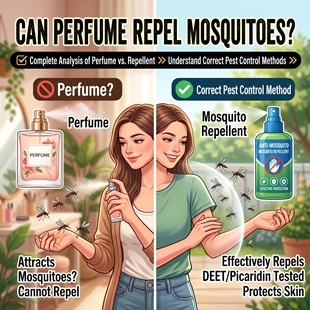
Can Perfume Repel Mosquitoes? Understanding the Difference Between Perfume and Mosquito Repellent
Can perfume really repel mosquitoes? While some fragrance ingredients may affect mosquito behavior, regular perfume is not designed as a mosquito repellent. Learn how perfume differs from mosquito repellent and how personal protection and environmental insect management work together.Can Perfume Repel Mosquitoes? Understanding the Difference Between Perfume and Mosquito Repellentmore -
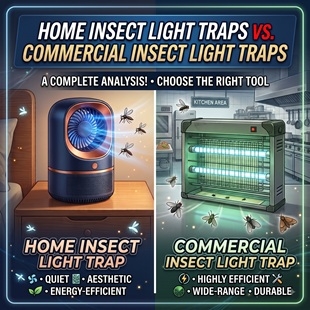
Home Insect Light Traps vs Commercial Insect Light Traps: What's the Difference?
Although both home insect light traps and commercial insect light traps use UVA light to attract flying insects, they are designed for different applications. Understanding the differences in coverage, operating requirements, trapping methods, and maintenance helps users select the right insect control solution for residential and commercial environments.Home Insect Light Traps vs Commercial Insect Light Traps: What's the Difference?more -
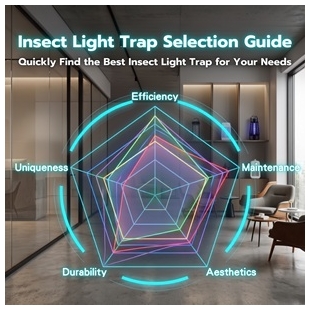
Insect Light Trap Selection Guide
Compare WELL insect light trap models using interactive radar charts. Evaluate coverage, installation options, trapping performance, maintenance, and applications to find the best commercial insect light trap for your needs.Insect Light Trap Selection Guidemore -
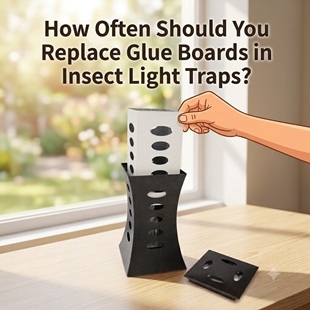
How Often Should You Replace Glue Boards in Insect Light Traps?
Glue boards are essential consumables that directly affect the performance of glue board insect light traps. Regular inspection and timely replacement help maintain adhesive performance, improve trapping efficiency, and support effective flying insect management in commercial environments.How Often Should You Replace Glue Boards in Insect Light Traps?more -
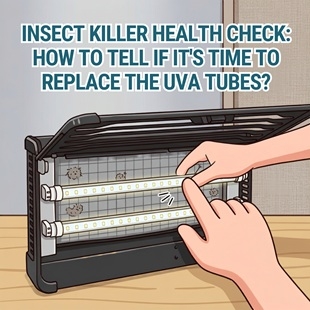
Insect Killer Health Check: How to Tell If It's Time to Replace the UVA Tubes?
A glowing UV tube does not always mean your insect killer is working efficiently. As UVA output gradually declines over time, regular tube replacement and routine maintenance are essential for maintaining optimal flying insect attraction and control.Insect Killer Health Check: How to Tell If It's Time to Replace the UVA Tubes?more -
Dengue Fever Concerns Rising: Key Flying Insect Management Tips for Businesses and Restaurants
Rising temperatures and increased rainfall can increase mosquito and flying insect activity. Businesses, restaurants, and food facilities should establish effective flying insect management programs through environmental inspections, source control, and insect monitoring solutions.Dengue Fever Concerns Rising: Key Flying Insect Management Tips for Businesses and Restaurantsmore -
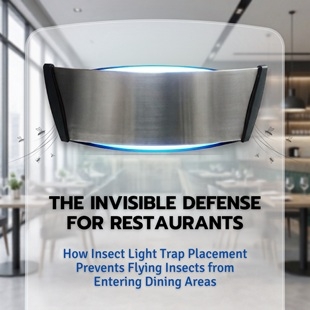
The Invisible Defense for Restaurants: How Insect Light Trap Placement Protects Dining Areas
Flying insect management in restaurants is about more than catching insects. Strategic placement of insect light traps, combined with sanitation and regular maintenance, helps intercept flying insects before they reach dining areas, improving food safety, customer experience, and brand image.The Invisible Defense for Restaurants: How Insect Light Trap Placement Protects Dining Areasmore -
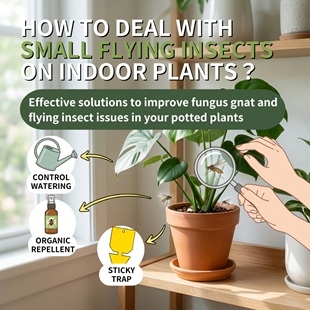
How to Get Rid of Small Flying Insects Around Indoor Plants
Indoor plants can beautify homes and offices, but overly moist potting soil often attracts fungus gnats. By improving watering habits, increasing ventilation, and using glue board insect light traps for monitoring, you can effectively reduce flying insect populations and maintain a cleaner indoor environment.How to Get Rid of Small Flying Insects Around Indoor Plantsmore -
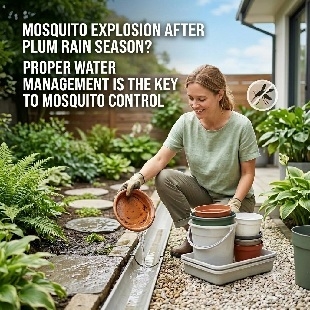
Why Mosquitoes Increase After the Rainy Season: The Importance of Standing Water Management
Standing water created after the rainy season provides ideal breeding conditions for mosquitoes. Effective mosquito prevention starts with eliminating breeding sources through regular inspection and water management, while insect light traps serve as valuable tools for monitoring and adult mosquito control.Why Mosquitoes Increase After the Rainy Season: The Importance of Standing Water Managementmore -
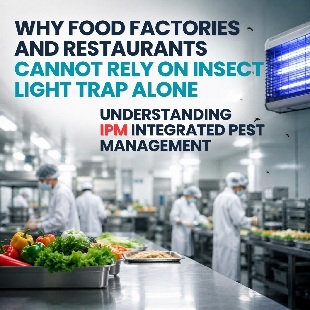
Why Food Factories and Restaurants Cannot Rely on Insect Light Traps Alone: Understanding IPM
Installing insect light traps alone is not enough to solve flying insect problems. Effective pest management requires a comprehensive IPM approach that combines prevention, environmental sanitation, monitoring, and continuous improvement to reduce food safety risks.Why Food Factories and Restaurants Cannot Rely on Insect Light Traps Alone: Understanding IPMmore -

Interesting Pest Facts & Flying Insect Behavior Guide
Mosquitoes, flies, and other flying insects all follow predictable behavior patterns. Understanding their habits, phototaxis, and sensory systems can help improve insect light trap performance and create more effective flying insect management strategies for both commercial and residential environments.Interesting Pest Facts & Flying Insect Behavior Guidemore